4 Things Brands Can Learn from Heated Rivalry's "Anti-Marketing" Strategy
In December 2025, Heated Rivalry took the world by storm. The hockey romance novel-turned TV show swept us all off our feet so smoothly that by the end of the year, many of us found ourselves in a huge, collective #Hollanov psychosis.
It was so immense that you didn’t even have to be chronically online to know who Shane Hollander or Ilya Rozanov was. Even top celebrities and personalities, such as Donatella Versace, were proclaiming they were “coming to the cottage”.
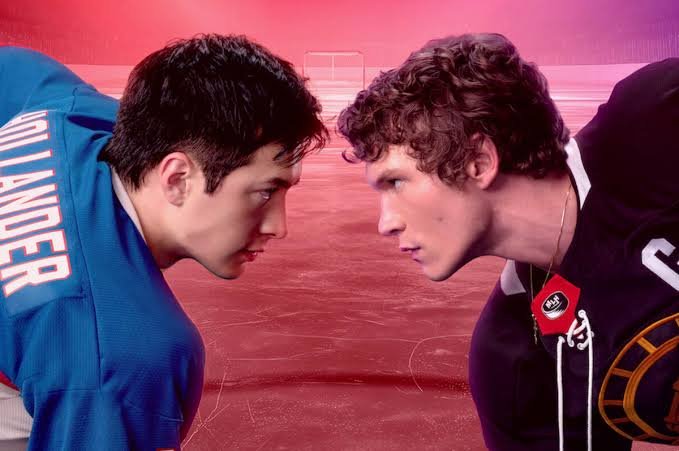
Heated Rivalry screengrab from HBO
Heated Rivalry was adapted from the beloved romance book by author Rachel Reid. At first glance, the premise seemed simple: two hockey players who are enemies-to-lovers. But upon a closer look, the show reveals this: a love story that feels truly earned. It features real, complex inclusion, from queer representation in a hypermasculine sports industry to narratives of immigrant struggles.
The meteoric rise of the show to the top was truly astonishing, and the numbers don’t lie. According to social listening platform Meltwater, the Canadian series received over 720k mentions in less than a month and experienced a 280+ engagement growth since its premiere. In fact, its finale episode received a total of 60k mentions and 13.7M engagements.
Six months later, Heated Rivalry remains incredibly popular. Following the first season’s critical acclaim, the series has been renewed for a second season, scheduled to premiere in 2027. Beyond its streaming success, the show has catapulted a dedicated global fanbase.
Yes, people still haven’t left the cottage.
But what exactly made this show so successful?
Anti-marketing may have been the key.
The Accidental Blockbuster: Heated Rivalry and the Rise of “Anti-Marketing”
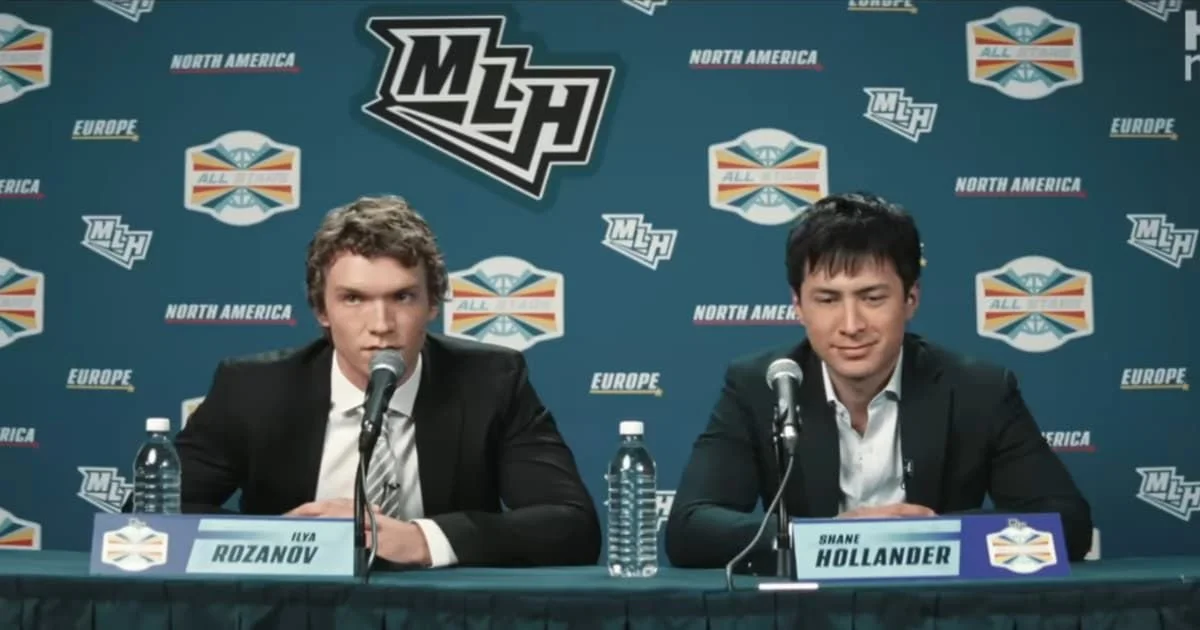
From left to right: Connor Storrie stars as Ilya Rozanov and Hudson Williams as Shane Hollander — two fictional hockey players from Heated Rivalry | Screengrab from HBO
Contrary to popular belief, Heated Rivalry did not follow the traditional marketing route. The show had a minimal paid marketing budget because HBO acquired the streaming rights only a week before its premiere. As a result, the global streaming platform did not have enough time to organize a standard press junket or allocate significant advertising funds for the show's launch.
Despite the absence of a conventional pre-launch marketing campaign, Heated Rivalry became a viral hit through word of mouth. In this context, the series effectively played right into the "anti-marketing" playbook.
What is “anti-marketing”?
“Anti-marketing” is a contrarian marketing strategy that runs completely counter to the traditional approach. It’s a strategic choice to do less, say less, and even sell less to capture your target audience. It uses restraint, irony, and even scarcity to build more trust, loyalty, and credibility.
While traditional marketing shouts in your face, an anti-marketing approach whispers. It relies on audience skepticism and pattern interruption, moving away deliberately from what your audience expects to see from your brand or category. It relies heavily on word-of-mouth to create long-term value.
It’s a paradigm shift that moves away from the traditional brand-to-consumer monologue to a brand-to-consumer dialogue.
How Heated Rivalry Used Anti-Marketing
Fan-generated hype
The Heated Rivalry marketing team elevated its fandom as passionate collaborators while the show was still streaming. They actively reposted fan edits, reshared memes, and even responded to chaotic comments. They treated their audience as partners, not just consumers.
Emotions as the pitch
Heated Rivalry’s social media team doesn’t simply post episode recaps. Instead of relying heavily on exposition, they let the emotions conveyed in the series speak for themselves.
Whether it’s yearning, tension, or joy, they let all of these simmer in the moment. They understand that it’s the feelings — not the episodes nor the world-building — that the audiences will remember the most.
Agile content creation
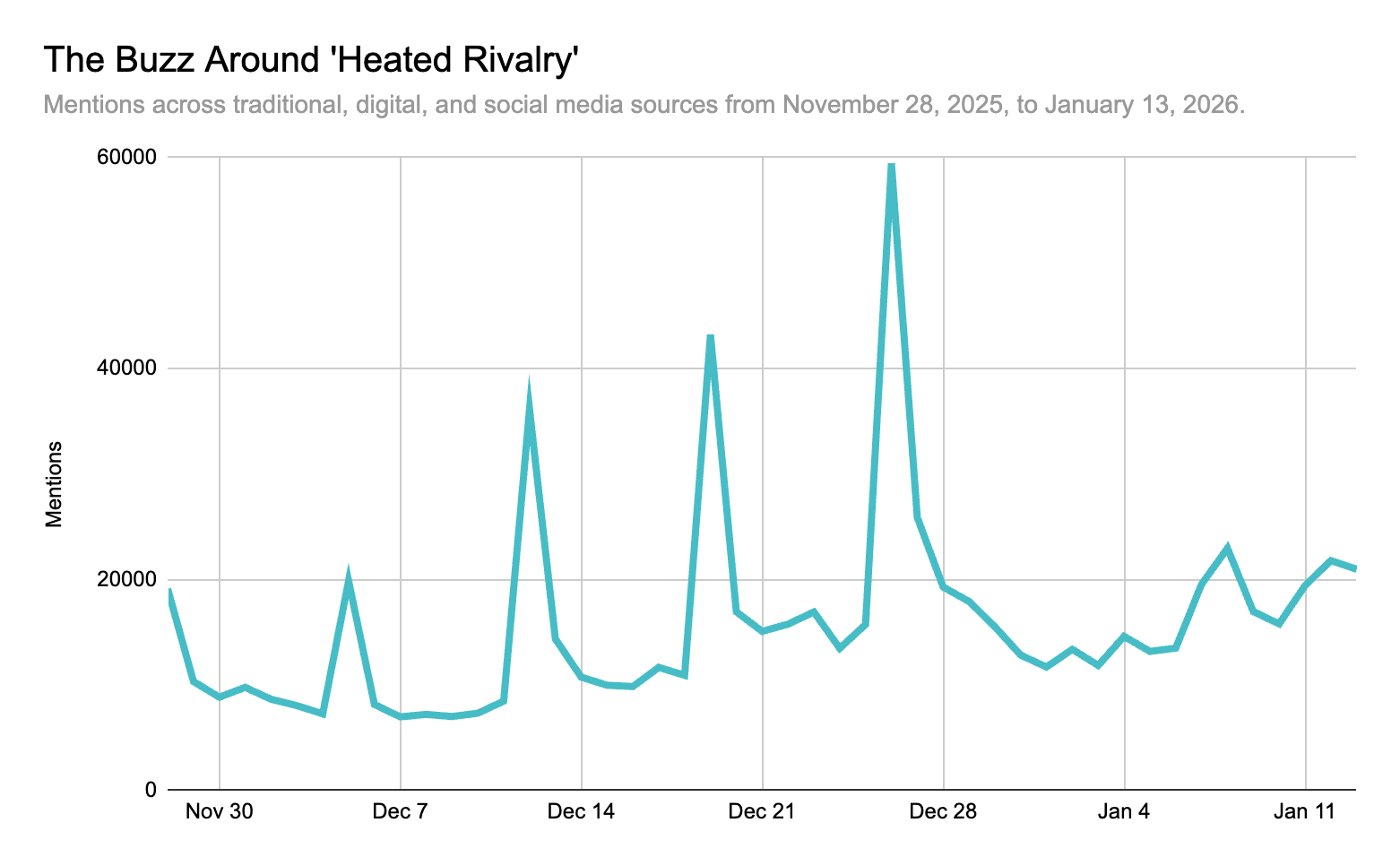
The spikes in mention for Heated Rivalry across several channels. Chart from Meltwater
The marketing team leveraged this by engaging in these conversations effectively. From fan edits and reaction videos to even thirst tweets, they embraced these authentic discussions and knew how to participate.
Brands that leaned in efficiently got to participate in a cultural moment. Ottawa Tourism, for example, currently has its Instagram bio as “Future home of Ilya Rozanov”, a small reference to the fictional characters’ relationship dynamics.
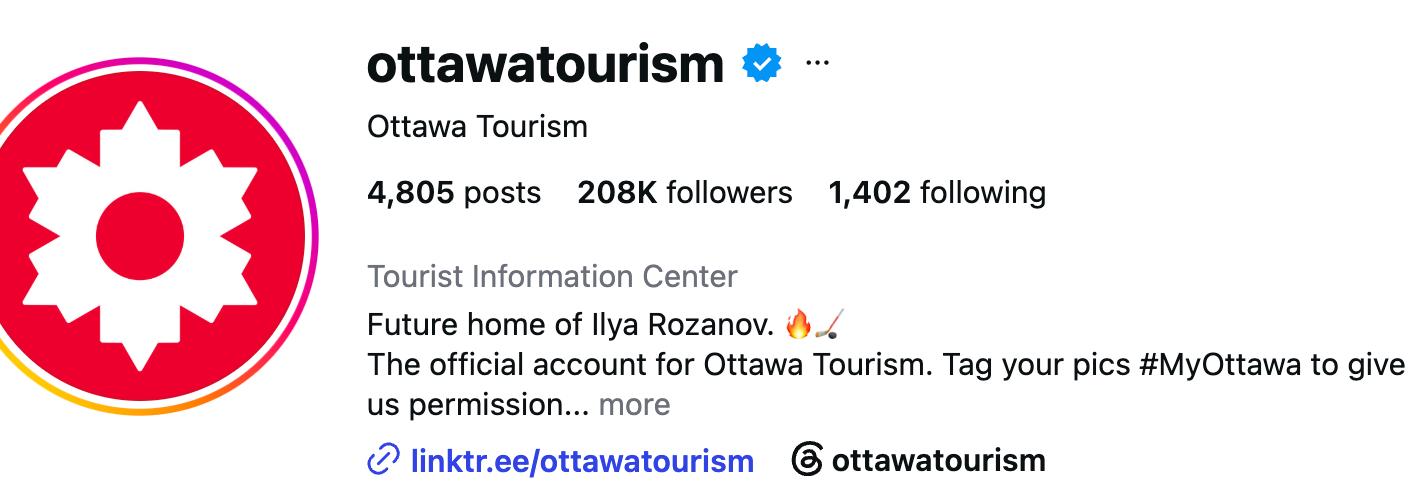
Screenshot of the official Ottawa Tourism Instagram Page
This small, clever gesture allows the brand to inject itself seamlessly into a cultural conversation. It’s a masterclass on capitalizing micro-moments. When you do this, you tell your audience that you see them, you understand them — you know what tickles their fancy. It only goes to show that sometimes, you don’t need a massive campaign budget to win; you just need to speak the cultural lexicon of your consumers.
Knowing how to move fast enough to participate in a viral, cultural moment allowed Heated Rivalry to amplify the impact of these conversations.
What Marketers Can Learn From Heated Rivalry
Heated Rivalry relied on heavy word-of-mouth and organic, fan-driven momentum to build its success. Here are other key takeaways that marketers can learn from the hockey romance show.
Discovery over promotion
Remember the good old days when you’d stumble upon a good song on the radio, or perhaps find an amazing book off the shelf?
Heated Rivalry brings us back to the nostalgia of discovering something good on our own.
Where ads seem inescapable, and algorithms dictate what to watch, discovering Heated Rivalry felt like a breath of fresh air for many.
Despite very little promotion since its release, the show’s viewership quickly increased through fan-driven discussions on Twitter, Threads, and edits on TikTok — platforms where cultural moments truly unfold these days. HBO Max Head Casey Blays, who licensed the show from Crave, called it a “word-of-mouth sensation.”
People share feelings, not campaigns
“This show has taken us all by surprise. The impact that it’s had on people was not something one can anticipate. It’s been genuinely moving and incredibly meaningful that it has touched people the way it has”
In Heated Rivalry, the storytelling was the foundation. The audience didn’t recommend the show because it was “well-marketed”; they did so because it made them feel something. The emotional tension, chemistry, and intimacy between the characters created the emotional investment that audiences naturally want to talk about.
Emotions became the distribution channel for Heated Rivalry. The show only proved that emotional resonance triumphs informational memorability.
Communities scale stories faster
Heated Rivalry didn’t have to rely on studio-led promotions. For the show, the fandom did the marketing.
Example of a fan edit of Heated Rivalry from @uhbucky on Instagram
From viral fan edits on TikTok and Instagram to memes and Spotify playlists, the Heated Rivalry fandom actively created content that helped drive the conversation forward. And the best thing about it is that the show leaned heavily on the conversation.
For Heated Rivalry, the conversation didn’t come after the campaign. The campaign is the conversation.
Audiences reward authenticity
Now that hyperpolished ads and AI-generated content are consistently on the rise, people yearn more for authenticity and connection. Heated Rivalry was a masterclass in vulnerability, and people managed to easily relate to its nuanced characters.
The show’s most viral moments are a testament to this. For example, Ilya Rozanov’s phone call in Russian, where he bares his soul for the first time to Shane Hollander, has garnered over 650,000 views on HBO Max’s YouTube channel.
In addition to the authenticity of Heated Rivalry’s storyline, the audience connected with the cast's off-screen chemistry, specifically Connor Storrie and Hudson Williams.
Instead of relying heavily on highly polished press junkets and red carpet appearances, the Heated Rivalry actors and creators took advantage of cultural placements. They made sure they were visible in queer spaces. These intentional appearances allowed their personalities to shine and for micro-moments to unfold naturally. This approach was significant for a show that relied on new faces and fresh talent for its main cast.
The Future of Marketing: Why Anti-Marketing Works in Today’s Economy
Modern audiences have become highly aware when they’re being marketed to. Constant ad placements, algorithm-driven content, and AI-generated campaigns have made audiences more skeptical of brands that feel manufactured or hard-sell.
Human attention has become a commodity.
As a result, audiences now gravitate toward brands, stories, and creators that feel:
Emotionally-honest
Community-driven
Less performative
It’s important to note that restraint plays a major role in this. When brands practice strategic restraint and avoid overselling or overexplaining, it creates space for their audiences to:
Discover things organically
Create personal interpretations
Feel ownership over their own experience
When anti-marketing is done right, your audience can feel that you know them well. That sense of discovery feels more authentic than being directly persuaded.
How Heated Rivalry turned fandom into influence
In the case of Heated Rivalry, the marketing never felt it was aggressively demanding attention. By doing anti-marketing practices such as strategic restraint and relying heavily on its emotionally resonant storytelling, fan conversations unfolded naturally. The subtlety made the audience trust the hype more because it felt earned, not manufactured.
With this strategy, Heated Rivalry transformed from a sleeper hit into a cultural phenomenon.
The Best Marketing Doesn’t Feel Like Marketing
The success of Heated Rivalry simply reminds marketers that people don’t always buy into campaigns — they connect with feelings, communities, and experiences that feel real.
AT TALI, we also believe in helping brands create stories that lead to meaningful connections and lasting audience engagement.
Shoot us a message for a consultation on how we can get things started.
References:
https://www.ainoa.agency/blog/what-is-anti-marketing-guide
https://www.meltwater.com/en/blog/heated-rivalry-social-media-virality-marketing-insights
https://raisedonsocial.substack.com/p/heated-rivalry-and-the-new-model